
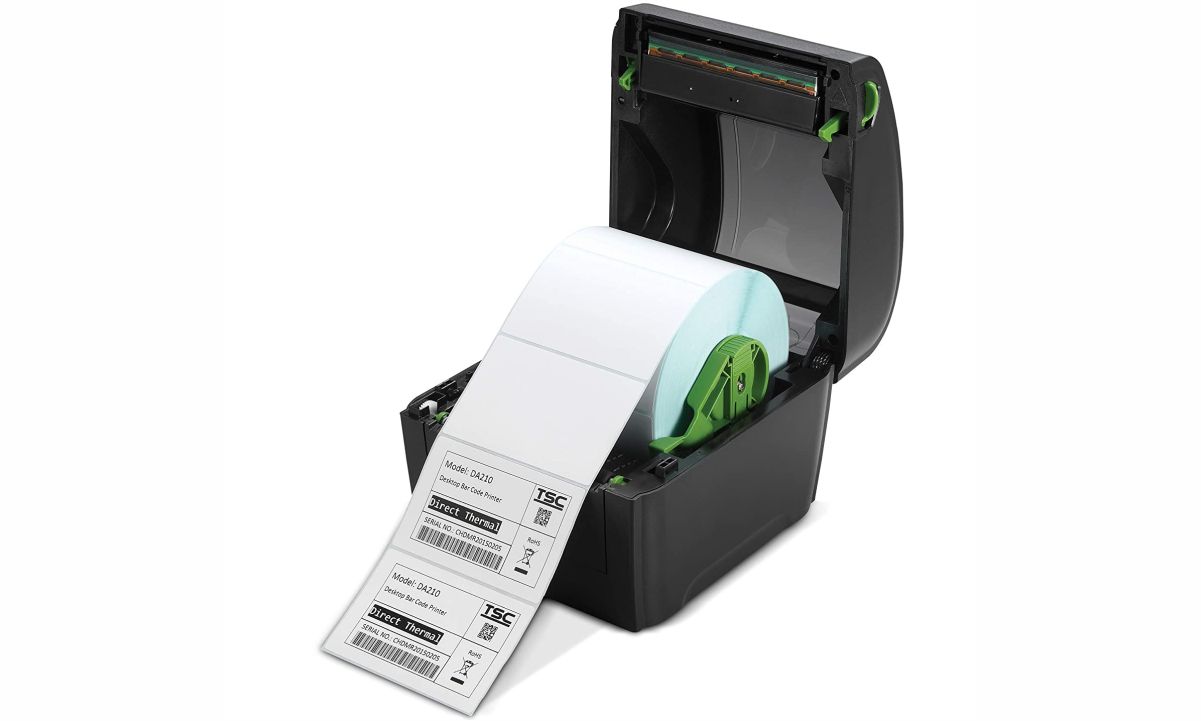
How Barcode Printing Enhances Inventory Management Efficiency & Accuracy
Efficient inventory management is critical for running a profitable organization, particularly in warehouses, retail stores, and distribution facilities. Barcode printing is a highly effective technology for enhancing inventory tracking. In this piece, we'll look at how barcode printing may improve inventory management and lower operational costs.
Why Choose Barcode Printing?
Barcode technology transforms inventory management by automating data capture, reducing errors, and providing real-time visibility into stock levels.
- Reduce human errors by up to 99%
- Increase inventory accuracy to 99.9%
- Cut labor costs by 30-50%
- Improve order fulfillment speed by 25%
Key Advantages of Barcode Printing for Inventory Management
-
Enhanced Operational Efficiency
Manual inventory tracking is time-intensive and prone to errors. Barcode printing simplifies this process by enabling quick and precise scanning, accelerating workflows and boosting productivity. Employees can scan items in seconds instead of manually entering data, freeing them for more valuable tasks.
-
Greater Accuracy in Inventory Records
Inaccurate inventory data can result in stock discrepancies and financial losses. Barcode labels eliminate human errors associated with manual entry, ensuring precise inventory records and reducing the likelihood of misplaced stock. Studies show barcode systems reduce data entry errors by up to 99%.
-
Real-Time Inventory Monitoring
With barcode scanning, businesses can track inventory levels in real time, preventing overstocking and stockouts. Instant updates ensure accurate stock availability and streamline order fulfillment. This real-time visibility allows for better demand forecasting and inventory optimization.
-
Improved Supply Chain Transparency
Barcode labels facilitate seamless tracking across the supply chain, allowing businesses to monitor product movement from suppliers to warehouses and distribution centers, ensuring efficient logistics and order fulfillment. This end-to-end visibility improves collaboration with partners and enhances customer satisfaction.
Direct Thermal vs. Thermal Transfer Printing
Direct Thermal Printing
Best for short-term applications like shipping labels and receipts, eliminating the need for ink ribbons. Cost-effective for temporary labels that don't require long-term durability.
No ribbon required
Lower operational costs
Simple maintenance
Thermal Transfer Printing
Ideal for long-term labeling, offering enhanced durability and resistance to heat, moisture, and chemicals. Perfect for industrial environments and products with longer shelf lives.
High durability labels
Weather resistant
Chemical resistant
Choosing the Right Label Material & Adhesive
-
Paper Labels
Cost-effective and suitable for indoor use. Standard paper labels work well for retail pricing, shelf labeling, and office organization where durability isn't a primary concern.
-
Synthetic Labels
More durable, resistant to water and chemicals, perfect for industrial applications. Polyester and polypropylene labels withstand harsh conditions in manufacturing, warehousing, and outdoor use.
-
Adhesives
Options include permanent, removable, and freezer-grade adhesives, catering to various business needs. Choosing the right adhesive ensures labels stay in place throughout the product lifecycle.
Best Practices for Implementing Barcode Printing
Assess inventory requirements to determine the most suitable barcode printing solution. Consider factors like label volume, environmental conditions, and scanning distance.
Invest in high-quality barcode labels for long-lasting performance. Quality labels ensure reliable scanning throughout the product lifecycle and reduce replacement costs.
Integrate barcode scanning with inventory management software for seamless tracking. Choose systems that offer real-time updates and comprehensive reporting capabilities.
Provide staff training on proper barcode usage and labeling procedures. Well-trained employees maximize system efficiency and minimize implementation challenges.
Conduct periodic audits to maintain data accuracy and operational efficiency. Regular system checks identify issues early and ensure continuous improvement.
